
Health Information
Heart attack & angina
The heart is a muscle, and like any muscle it needs a blood supply of its own. The coronary arteries do that job — and most heart disease begins when they narrow.
Why it happens
Fatty deposits build up inside the coronary arteries and narrow them. When the narrowing limits blood flow, the heart muscle runs short of oxygen — this is angina. When a vessel closes completely, that part of the muscle begins to die — this is a myocardial infarction, or heart attack.
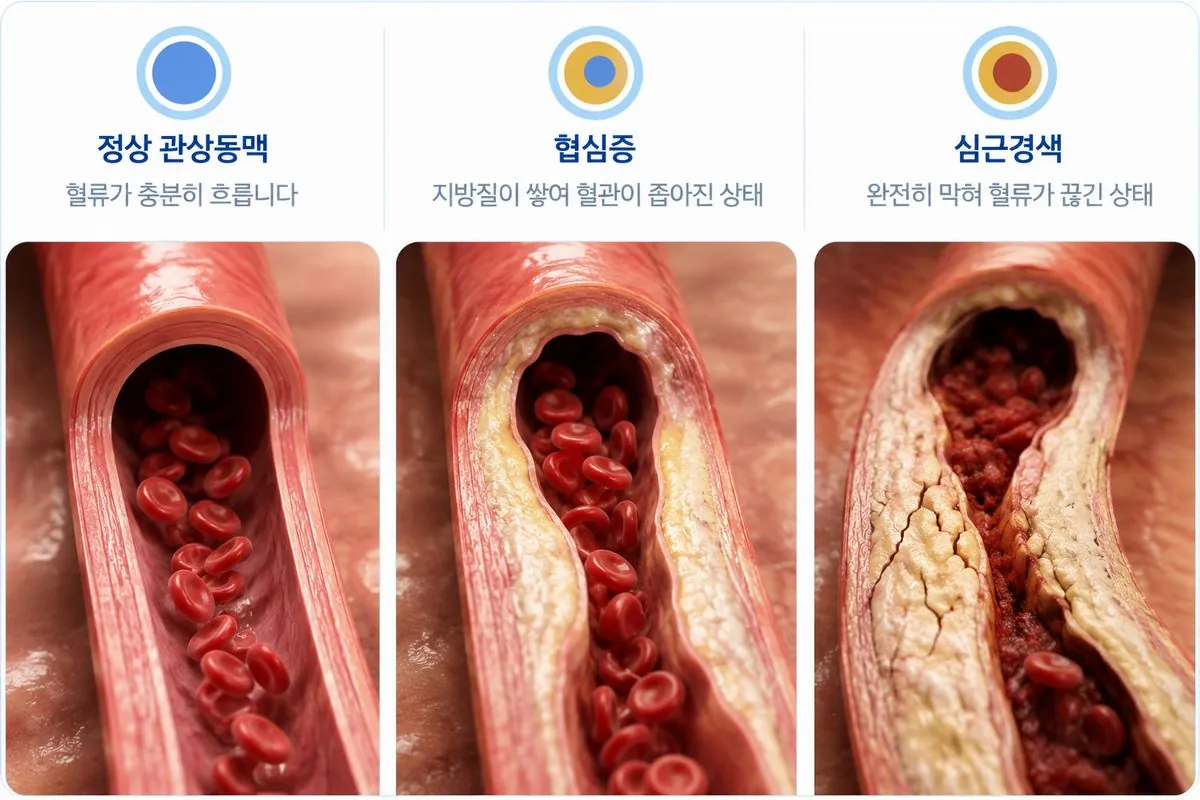
Symptoms
Chest pain
A squeezing, pressing or heavy sensation behind the breastbone. In angina it typically appears on exertion and eases with rest.
Breathlessness
Unusual shortness of breath climbing stairs or slopes, sometimes without any chest pain.
Radiating pain
Discomfort spreading to the left arm, shoulder, neck or jaw.
Cold sweat, nausea
Sweating, nausea or a sense of dread accompanying the pain — common in infarction.
If chest pain lasts more than 15 minutes, or comes with cold sweats or difficulty breathing, call 119 before travelling anywhere. In a heart attack, time is heart muscle.
Risk factors
Some can be changed, some cannot. The ones that can are where treatment begins.
Can be managed
- High blood pressure
- Diabetes
- High cholesterol
- Smoking
- Obesity and lack of exercise
Cannot be changed
- Age — men from 45, women from 55
- Family history of early coronary disease
- Sex — higher risk in men until menopause
How it is assessed
ECG
The first test — it can show ischaemia or an ongoing infarction.
Echocardiography
Shows how well the muscle is contracting and whether a segment has been damaged.
Stress echocardiography
For symptoms that appear only on exertion while the resting study looks normal.
Carotid Doppler
Atherosclerosis in the carotid arteries reflects what is happening elsewhere.
If the findings point to significant coronary disease, you will be referred to the Regional CardioCerebroVascular Center at Seoul National University Bundang Hospital, where angiography and stenting can be performed.
Living with it
Take the medication
Antiplatelet and lipid-lowering drugs work only while they are being taken. Stopping without advice is the most common cause of a second event.
Keep the numbers in range
Blood pressure, glucose and cholesterol are checked on a schedule rather than only when something feels wrong.
Stop smoking
Nothing else lowers risk as quickly.
Chest symptoms should not wait
Chest pain and palpitations need to be traced to a cause. Call us and we will tell you which tests are possible and how long they take.